Are they the right visitors in the first place?
Check what people searched for before they landed. Search Console lists the queries, and a surprising share of the traffic on many business sites comes from searches the business does not want: a job-seeker, a supplier, a homeowner looking for a service you only do commercially, a term that matches your name and nothing else. Those people were never going to enquire, and no amount of redesign changes that.
If the queries are right and the enquiries still are not coming, the page is the problem, and that is fixable.
Does the page say what you do, for whom, and where?
Read your homepage as a stranger. Most business homepages open with a welcome, a slogan or a paragraph about history, and the visitor has to scroll to find out what is actually on offer. A Leeds electrical contractor who does commercial and EV work should say exactly that in the first line, with the area, so the right visitor relaxes and the wrong one leaves quickly.
The test we use is blunt. Cover the logo and ask whether the page could belong to any of your competitors. If it could, it is not doing its job.
Is there any proof on the page?
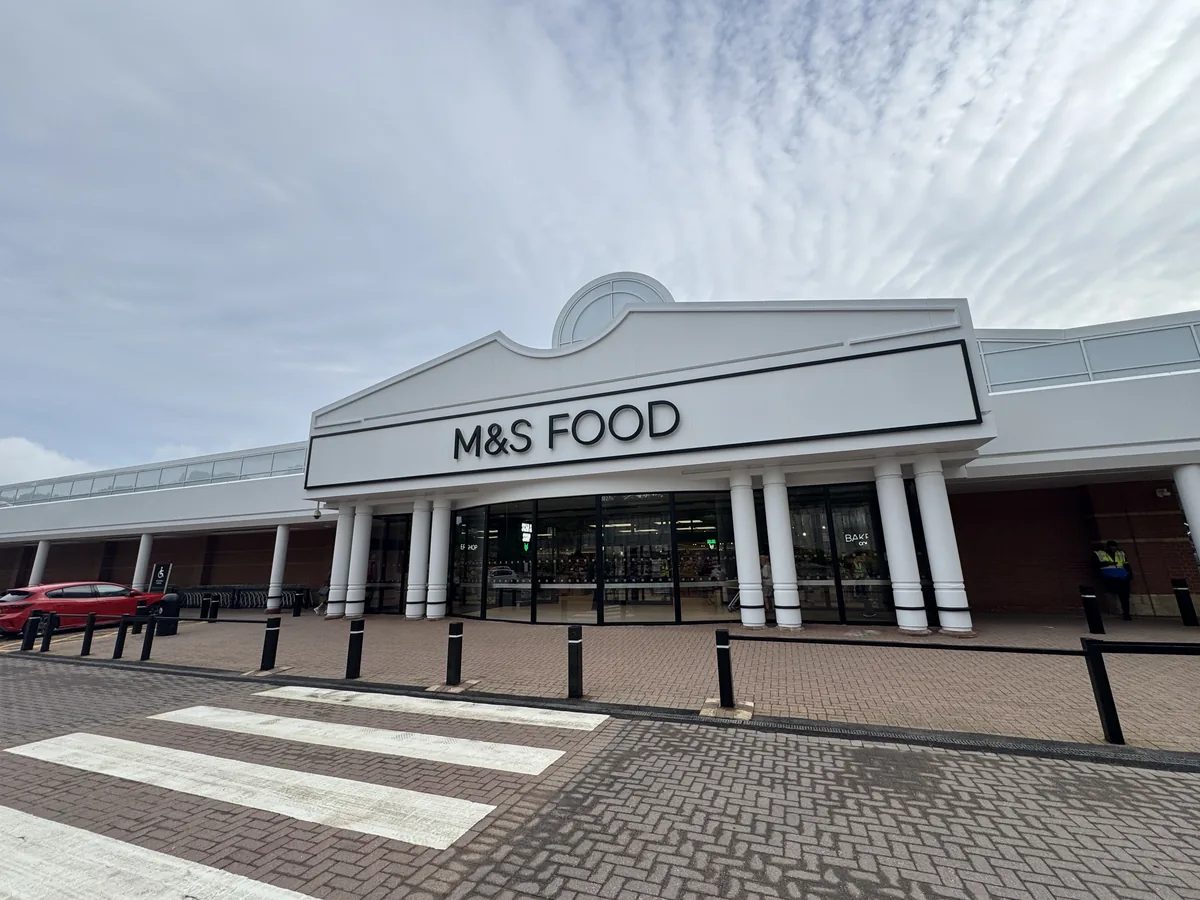
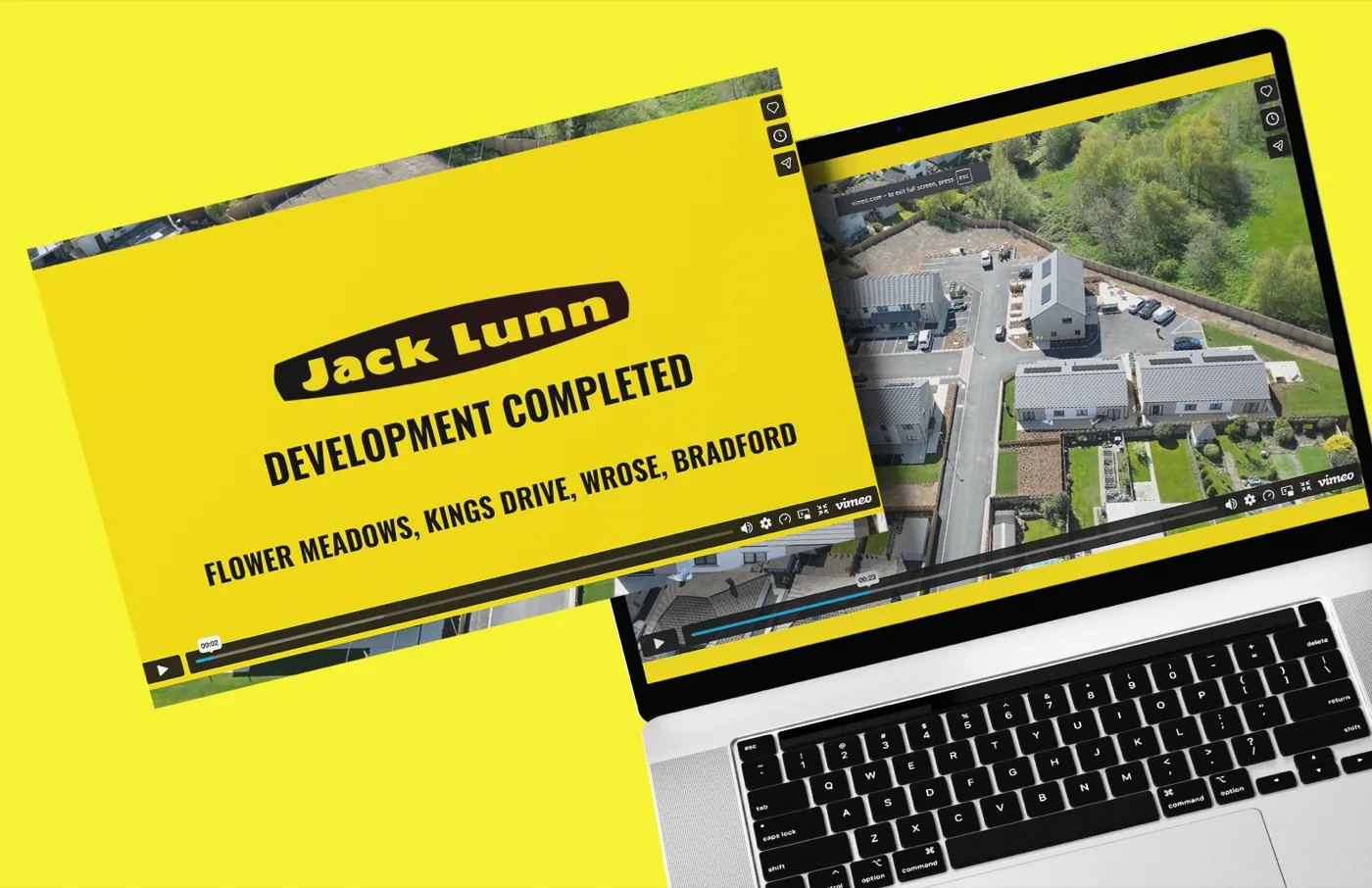
Buyers check before they ring. They want to see the jobs, the clients, the reviews and the people, and they expect them on the page rather than behind a link marked portfolio. A commercial flooring contractor who photographs the M&S store they fitted, names it and puts it on the service page has answered the question before it was asked.
Real photography does most of the work here. Stock images of handshakes are read as an absence of evidence.
Can they actually take the next step?
Look at where the enquiry form is, how many fields it has and what the button says. A form that asks for eight things, sits at the bottom of a long page and ends in a button marked Submit will lose most of the people who reached it. One or two routes to contact, near the proof, asking only for what you need to call them back, is usually a marked improvement from the same traffic.
Then track it. If you cannot see which pages produce enquiries, you cannot improve them, and most sites we look at have no tracking on the form at all.
What would Halizona change first?
The message, then the proof, then the form, in that order, because each one only works once the one before it is fixed. RB Electrical in Halifax did not need more visitors. They needed the specific electrical and EV charging services people were searching for to have pages of their own with enough on them to be believed, and the enquiries have averaged around two a week for five years since.
That is the pattern we would look for on your site: the right people arriving, understanding, believing and having an easy way to act.