What should the first screen say?
What you do, for whom, and where, in one plain sentence. A specifier or buyer lands on dozens of sites a week and gives each a few seconds. Bond Brickwork’s site leads with commercial brickwork for major residential developments, and a developer knows immediately whether to keep reading.
Why does each service need its own page?
Because that is how buyers search and how they evaluate. Someone looking for an EV charging installer in Leeds is not helped by a general electrical services page, and neither is Google. A page per service, with what it involves, who it is for, what it has been done for before and what to do next, is the single biggest structural difference between B2B sites that generate enquiries and those that do not.
What counts as proof on a B2B site?
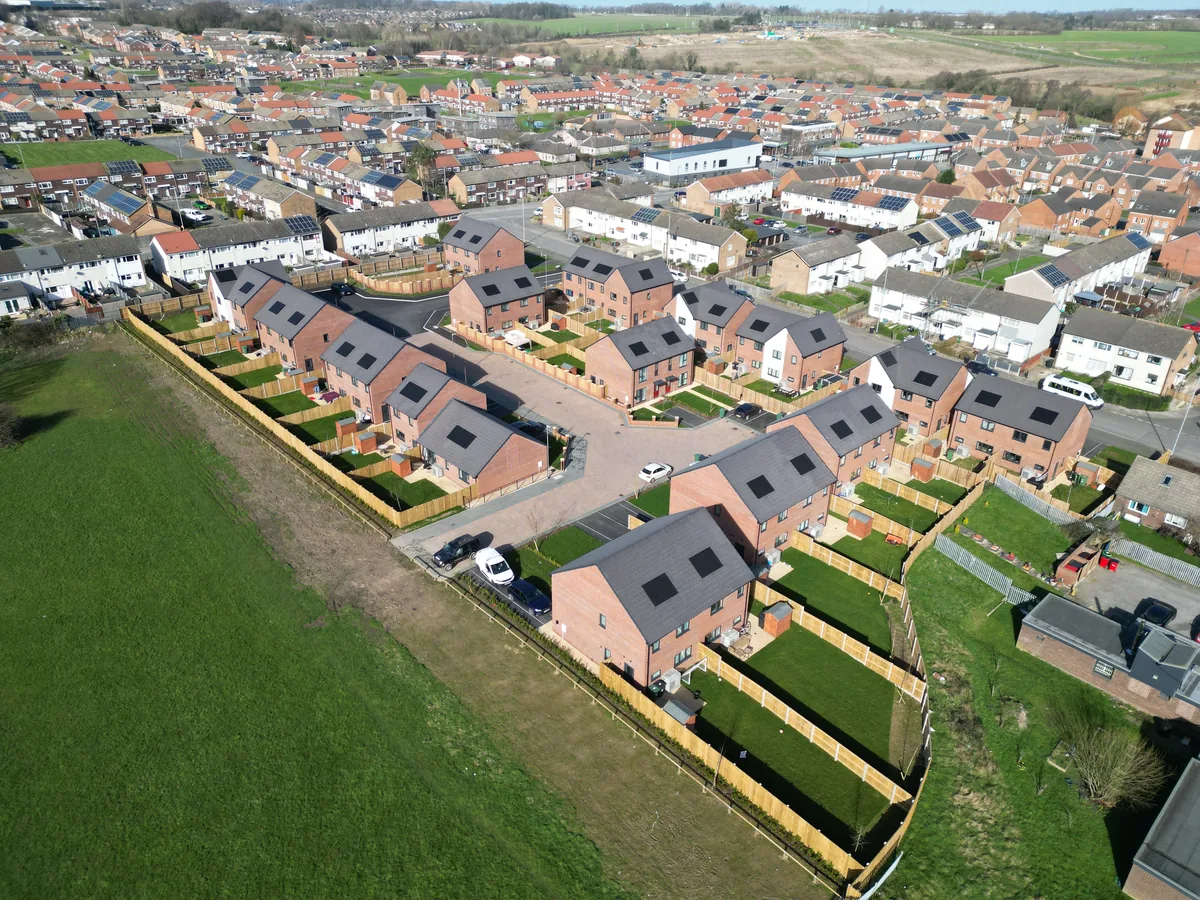
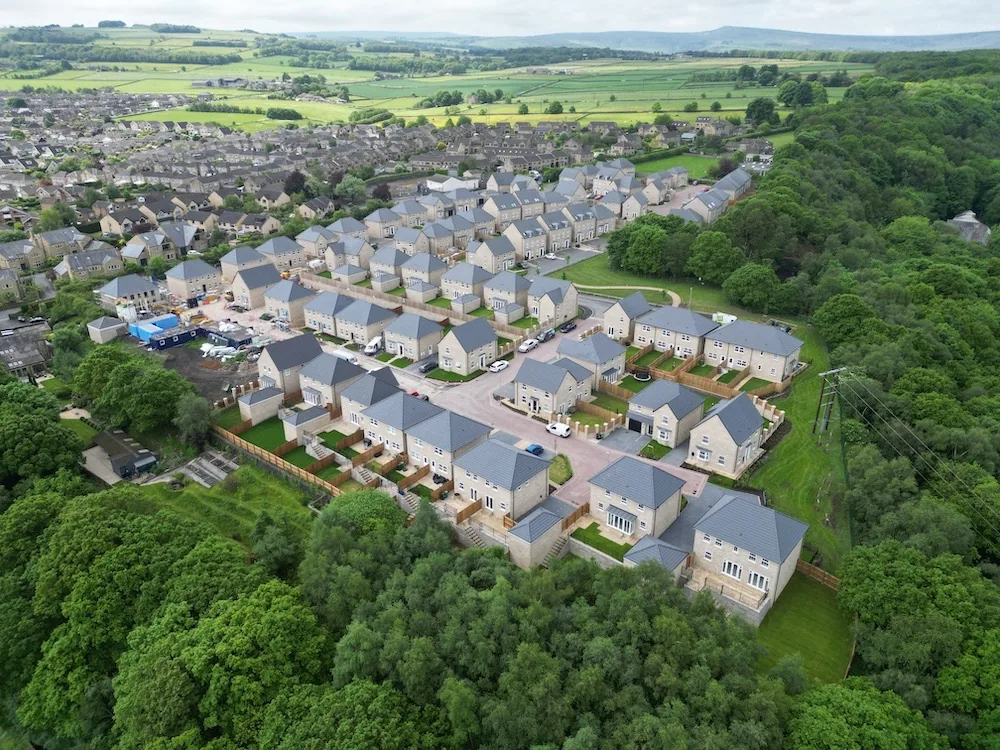
Named projects with photographs you took, not renders. Clients you can name, and the ones you cannot described honestly by sector and scale. Reviews with real names on them. Accreditations and memberships that a buyer’s procurement process will ask about anyway. And people: the team, the directors, the faces a buyer will meet. Standeven Flooring’s site carries the actual stores and offices they fitted, filmed as they happened, which does more than any paragraph about quality.
What should the next step look like?
Easy and specific. A short enquiry form near the proof, a direct email address, a phone number where one is genuinely answered, and a button that says what happens next. For a B2B buyer the ask is often a conversation or a site visit, so say that. Long forms and generic Contact Us buttons lose people who were ready to talk.
What technical basics does a B2B website need?
Fast on a phone, secure, with one clear address for every page, correct headings, descriptive page titles, a sitemap and structured data that tells Google and AI search what the business is. None of it is glamorous, and all of it is decided during the build. We check every site we launch against Google’s own performance measures before we call it done.
How do these fit together?
Find you is the structure and the words: a page for every service, written in the terms buyers use. Trust you is the proof: projects, people, reviews and photography. Choose you is the next step: a clear ask on every page, tracked so you know what works. A B2B website that does all three keeps producing enquiries for years, which is what the RB Electrical and Bond Brickwork sites have done.